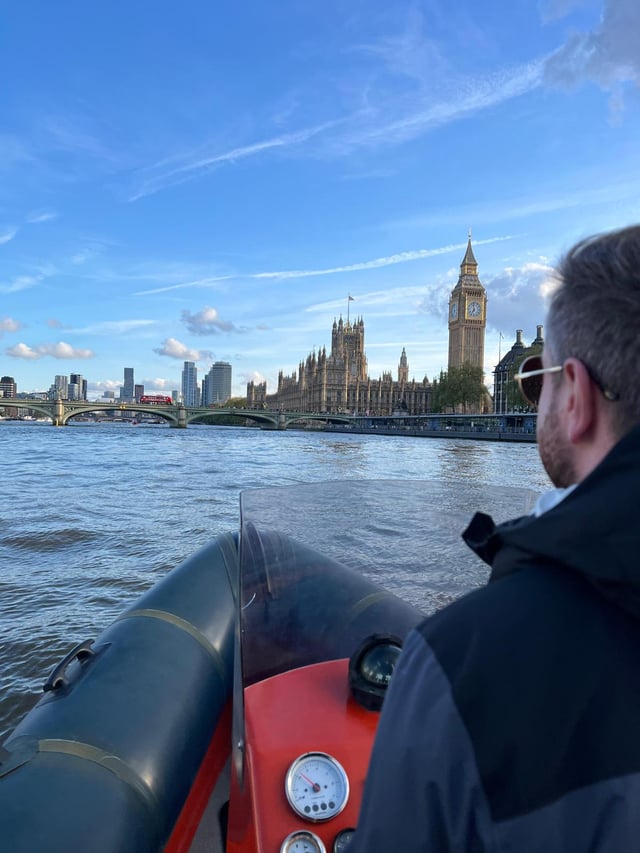
The syllabus is divided into several key areas, each focusing on different aspects of powerboating.
1. Introduction to Powerboating
This section provides an overview of powerboating, familiarizing participants with the different types of powerboats and their specific uses.
- Types of Powerboats:
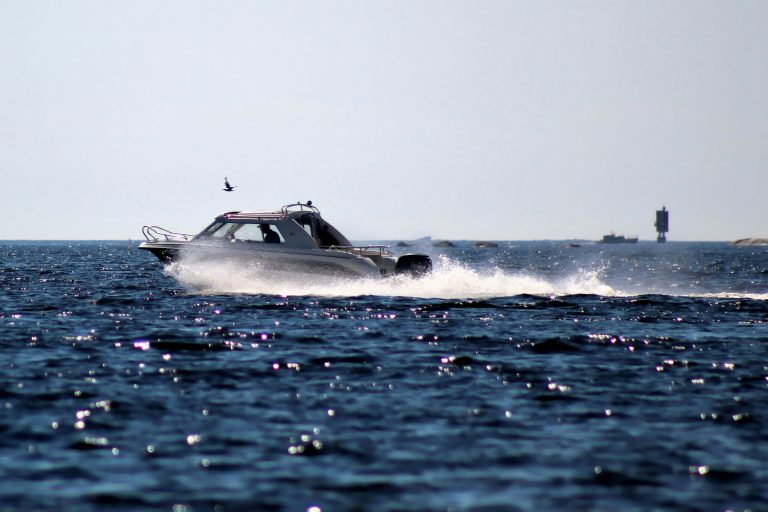
- Planing and displacement hulls.
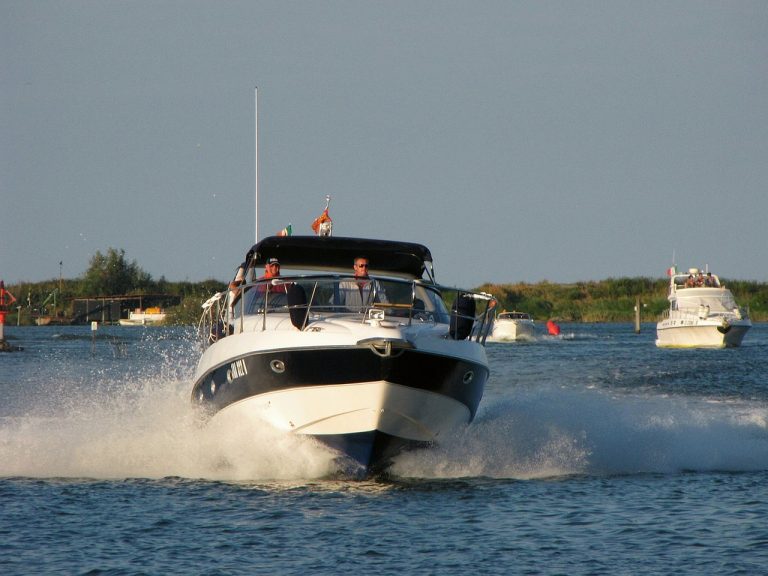
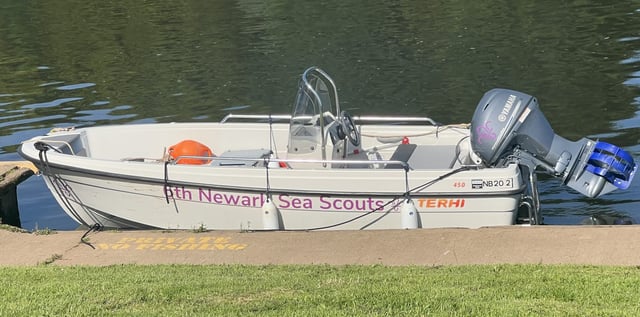
- Outboard, inboard, and sterndrive engines.
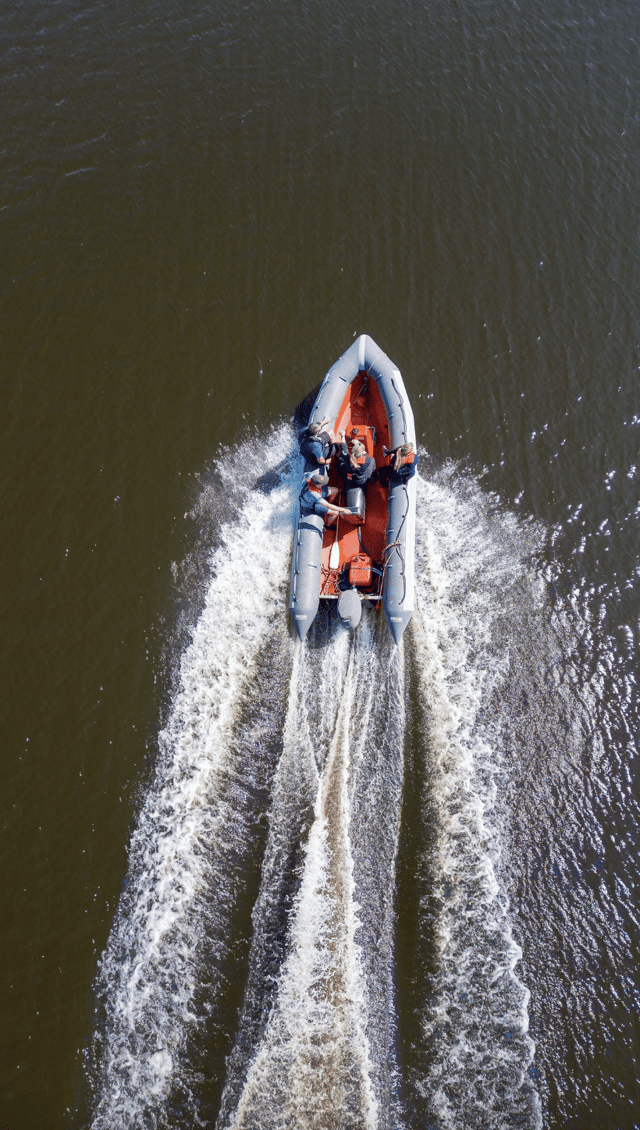
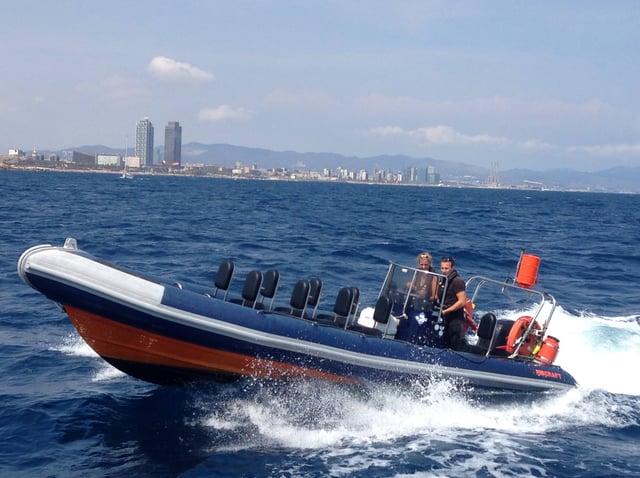
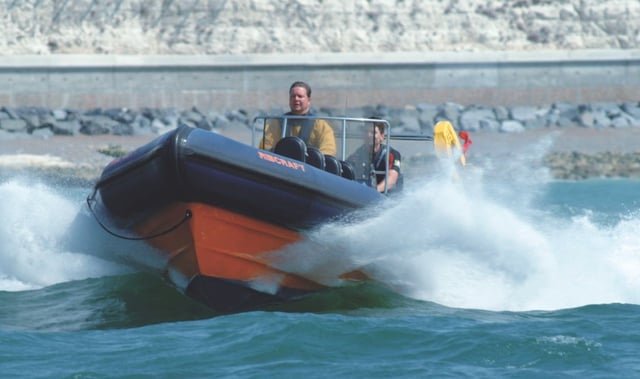
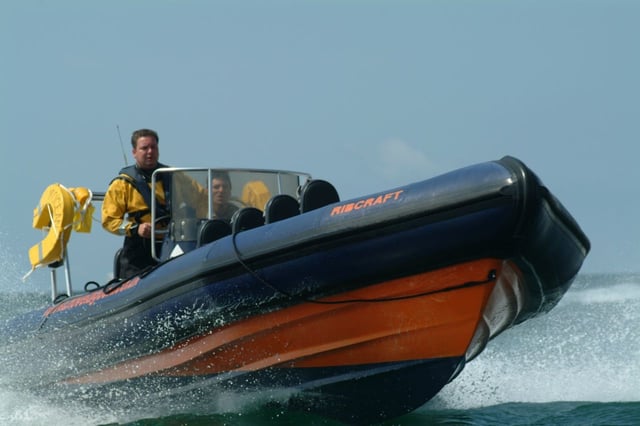
- Inflatable boats and rigid inflatable boats (RIBs).
- Boat Terminology:
- Understanding the parts of a boat (e.g., bow, stern, port, starboard).
- Familiarity with controls and instrumentation.
2. Preparation for Sea
This section focuses on pre-departure preparations, ensuring the boat and crew are ready for a safe journey.
- Pre-Departure Checks:
- Conducting engine checks, including oil, fuel, and cooling systems.
- Inspecting hull, steering, and controls for any issues.
- Verifying safety equipment is onboard and in good condition (life jackets, flares, fire extinguisher).
- Weather and Tidal Information:
- Interpreting weather forecasts and understanding their impact on sea conditions.
- Understanding tides, tidal streams, and their influence on navigation.
3. Launching and Recovery
Participants learn the techniques for safely launching and recovering a powerboat.
- Using a Trailer:
- Attaching the trailer to the towing vehicle correctly.
- Positioning the boat on the trailer and securing it.
- Launching from a slipway, considering the slope and surface conditions.
- Recovery Techniques:
- Approaching the slipway and aligning the boat for recovery.
- Securing the boat on the trailer and ensuring it is ready for transport.
4. Boat Handling
This section covers essential boat handling skills, focusing on maneuvering at different speeds and in various conditions.
- Low-Speed Maneuvering:
- Basic steering techniques and throttle control.
- Carrying out tight turns and figure-of-eight maneuvers.
- High-Speed Maneuvering:
- Understanding the transition from displacement to planing mode.
- Practicing high-speed turns and avoiding propeller cavitation.
- Anchoring and Mooring:
- Selecting a suitable anchorage and setting the anchor.
- Techniques for picking up a mooring buoy.
- Securing the boat to a dock or pontoon.
5. Securing to a Buoy
Participants practice approaches and securing the boat to a buoy in various conditions.
- Approach Techniques:
- Using wind and current to assist in approaching the buoy.
- Controlling speed and direction for a smooth approach.
- Securing Procedures:
- Attaching lines to the buoy safely.
- Understanding the effects of tide and wind on the boat once secured.
6. Man Overboard Procedures
This crucial section teaches participants how to effectively handle a man overboard (MOB) situation.
- Recognizing MOB Situations:
- Immediate actions to take when someone falls overboard.
- Maintaining visual contact with the person in the water.
- Recovery Techniques:
- Turning the boat safely to return to the MOB.
- Approaching the MOB from a safe direction considering wind and current.
- Using retrieval equipment and techniques to get the person back onboard.
7. Navigation and Passage Planning
Participants gain basic navigation skills and learn to plan safe passages.
- Chart Work:
- Reading nautical charts and understanding chart symbols.
- Plotting a course and measuring distances.
- Compass Use:
- Using a handheld compass and boat’s compass for navigation.
- Correcting for magnetic variation and deviation.
- Passage Planning:
- Preparing a passage plan considering tides, weather, and hazards.
- Estimating arrival times and fuel consumption.
8. Collision Regulations
Understanding the International Regulations for Preventing Collisions at Sea (COLREGs) is critical for safe boating.
- Navigation Rules:
- Rules of the road, including overtaking, head-on, and crossing situations.
- Understanding and recognizing navigation lights and shapes.
- Sound Signals:
- Using sound signals to communicate intentions and warnings.
- Navigation Marks:
- Identifying and understanding lateral, cardinal, and special marks.
9. Safety and Emergency Procedures
Participants learn about essential safety protocols and emergency response techniques.
- Safety Equipment:
- Familiarity with life jackets, flares, fire extinguishers, and other safety gear.
- Ensuring equipment is accessible and in good condition.
- Emergency Procedures:
- Responding to common emergencies such as engine failure, fire, and grounding.
- Using distress signals (e.g., VHF radio, flares) to call for help.
- Basic first aid and hypothermia prevention.
By the end of the RYA Powerboat Level 2 course, participants will have a comprehensive understanding of powerboat operation, including practical handling skills, navigation, safety procedures, and emergency response, equipping them with the confidence and competence to operate powerboats up to 10 meters in length safely.