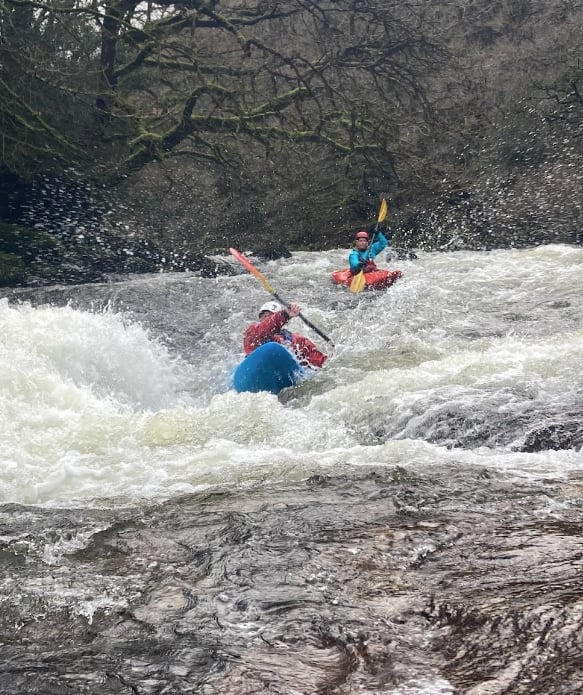
This course goes beyond the White Water Award by focusing not only on personal paddling proficiency but also on leadership, safety management, and environmental awareness, ensuring that leaders can make informed decisions and handle emergencies effectively.
Leadership Skills
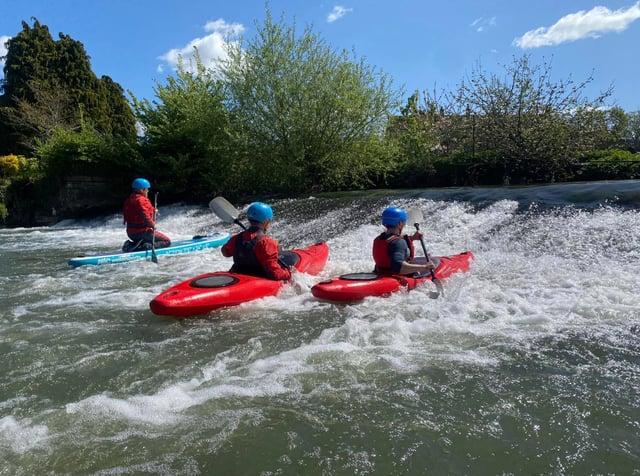
The course covers group management and emphazises techniques for organizing and communicating effectively within a group, both on and off the water. Participants learn to keep the group cohesive, maintain awareness of individuals and conditions. It teaches effective communication, including hand signals and verbal instructions.
Decision-making and judgment are also critical components. Participants assess group members' skill levels, make real-time decisions based on changing conditions, and prioritizing safety. The course also explores different leadership styles, teaching how to adapt approaches to suit various group needs and scenarios. This involves balancing directive and facilitative leadership to encourage and support group members in developing their paddling skills and confidence.
Safety and Rescue
Advanced rescue techniques are a key focus, with practical training in rescues specific to white water environments. This includes T-rescues, swimming rescues, and throwline rescues, as well as techniques for managing equipment retrieval and assisting swimmers.
Incident management training prepares participants to handle emergencies, develop and implement emergency action plans, and manage common white water incidents like foot entrapments and capsizes.
Risk assessment and mitigation skills are developed through identifying hazards, assessing risks, and implementing strategies to minimize them. Participants conduct dynamic risk assessments to respond to changing water conditions, ensuring group safety.
Personal Paddling Skills
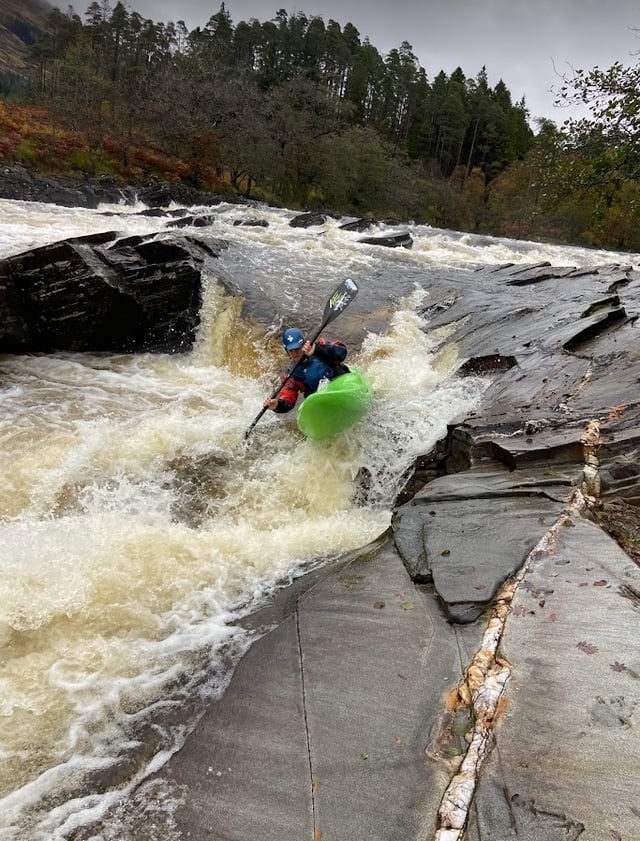
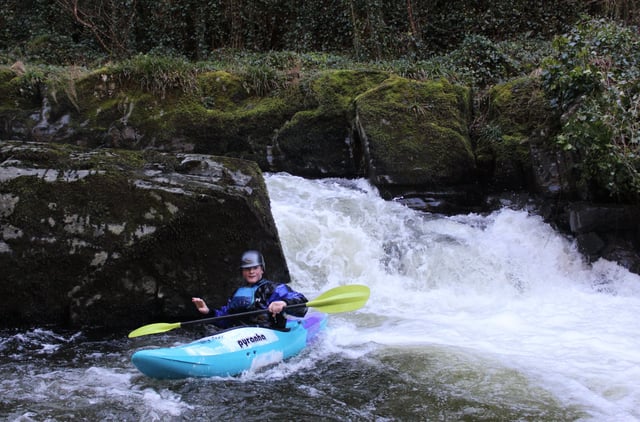
The course enhances personal paddling skills, covering advanced techniques for maneuvering in grade 2-3 white water. Participants refine essential strokes such as forward strokes, sweeps, draws, and braces, and master techniques for eddy turns, peel-outs, ferry glides, and surfing waves. The training ensures participants maintain control in various conditions, adjust techniques for different crafts.
Environmental Awareness
Participants learn to understand river features and hazards, identifying and interpreting natural features like rapids, drops, strainers, and undercuts. The course covers hydrodynamics and how water interacts with obstacles, helping participants recognize signs of potential hazards and make informed decisions to avoid them.
Environmental conservation is emphasized, promoting Leave No Trace principles and sustainable paddling practices. Participants learn the impact of paddling on ecosystems. Skills in reading water and interpreting conditions are developed, enabling participants to predict water flow patterns. As well as understanding the effects of weather and water levels in order to make informed route choices.
Additional Components
The course includes training in equipment management, ensuring all gear is suitable, well-maintained, and properly fitted. Participants learn the use and limitations of safety gear like helmets, buoyancy aids, and throwlines.
Communication skills are enhanced, focusing on effective use of radios, whistles, and other tools in noisy and dynamic environments, with clear communication protocols established for group trips.
Practical Training Sessions
Practical on-water sessions provide hands-on experience in real white water environments, with immediate feedback from instructors. Scenario-based training exercises simulate real-life leadership and rescue situations.
Off-water theory sessions include classroom discussions on leadership, safety, and environmental awareness, with case studies and group discussions to explore decision-making and risk management strategies.